
Kinsotech has recently drawn attention in fine chemical discussions surrounding Nikethamide CAS 59-26-7 as respiratory analeptic studies and veterinary formulation development continue to evolve. The relevance of CAS 59-26-7 in controlled stimulation research highlights how intermediate compounds are being reassessed for broader functional applications in regulated pharmaceutical environments. Within this context, Kinsotech's long-term experience in pharmaceutical intermediates provides a structured case for examining how material consistency influences downstream scientific use.
The growing curiosity around this compound is not driven by novelty alone, but by practical needs in laboratory reproducibility, stability assessment, and formulation compatibility. As respiratory support research and comparative veterinary pharmacology expand, the demand for predictable chemical profiles has become more noticeable across research settings.
Respiratory analeptics are compounds studied for their ability to stimulate or regulate breathing activity under specific clinical or experimental conditions. While modern medical practice has shifted toward more controlled respiratory support systems, historical compounds like Nikethamide CAS 59-26-7 remain part of reference frameworks in pharmacological research.
Researchers often revisit such compounds for three main reasons:
- To understand legacy respiratory stimulation mechanisms
- To evaluate safety boundaries in controlled environments
- To compare modern alternatives with older molecular structures
In this landscape, the APIs appears not as a mainstream therapeutic solution, but as a reference compound for mechanism-based comparison. Its chemical stability and well-documented structure make it useful in controlled analytical environments where reproducibility is essential.
One of the recurring themes in pharmaceutical intermediate evaluation is the relationship between physical appearance and chemical reliability. In the case of the APIs, variations in color or crystallization behavior may indicate differences in synthesis conditions or storage history.
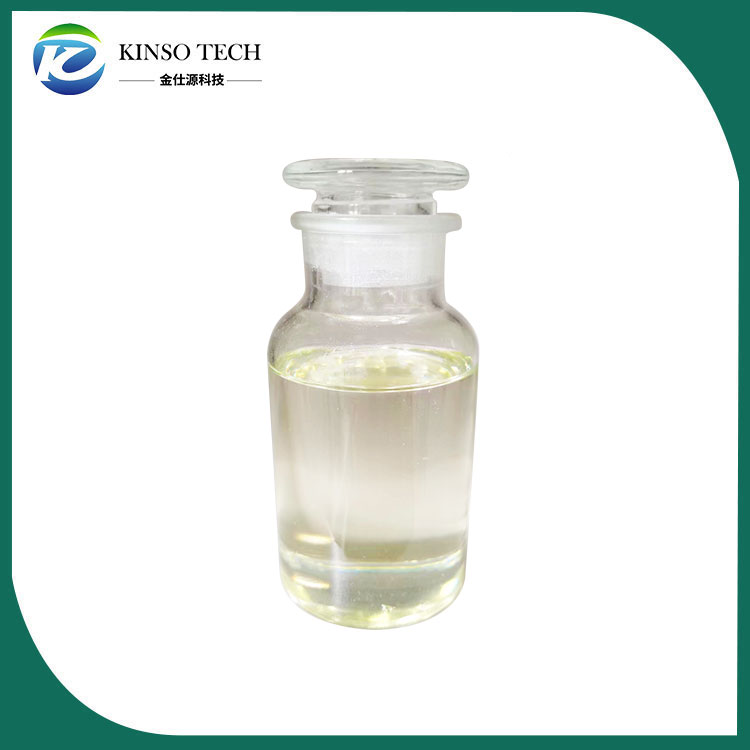
Kinsotech's production description emphasizes a near-colorless and transparent form, which is often associated with reduced impurity-related coloration. In research environments, this becomes relevant because even minor impurities can influence reaction pathways or analytical outcomes.
A simplified comparison is shown below:
| Feature | Typical Market Observation | Refined Profile Observation |
| Color | Yellowish tone may appear | Nearly colorless appearance |
| Physical state | Oil-like or crystalline mix | More uniform phase behavior |
| Purity reference | Around 98.5% CP standard | Above 99.5% reported content |
| Stability behavior | Sensitive to storage conditions | More consistent crystallization |
Such differences are not merely cosmetic; they can influence how the APIs behaves during formulation testing or compatibility screening.
Although originally associated with respiratory stimulation studies, the APIs has also been referenced in broader comparative pharmacology contexts. Its usage in veterinary-related formulations is often discussed in terms of physiological response differences between species.
In laboratory settings, the compound is occasionally referenced in:
- Historical pharmacology comparison studies
- Central nervous system stimulant pathway analysis
- Respiratory depression counteraction modeling
These uses are primarily analytical and not reflective of modern clinical practice trends, but they help contextualize how respiratory stimulants were evaluated historically.
In veterinary science discussions, compounds like Nikethamide CAS 59-26-7 are sometimes examined for:
- Species-specific respiratory response variation
- Supportive care modeling in controlled environments
- Legacy formulation assessment in older veterinary references
These perspectives are largely exploratory and serve to improve understanding of physiological response diversity rather than define standard treatment pathways.
To better understand how intermediates are evaluated in practice, key parameters of it are often summarized in structured form:
| Parameter | Description | Typical Value |
| Molecular Formula | Chemical composition | C10H14N2O |
| Molecular Weight | Molecular scale reference | 178.23 |
| Melting Point | Crystallization range | 22–24°C |
| Boiling Point | Thermal transition range | 296–300°C |
| Density | Mass-to-volume ratio | 1.06 g/ml (25°C) |
| Solubility | Solvent compatibility | Water, ethanol, ether, acetone |
| Storage Condition | Environmental control | Dark place, ≤30°C |
These parameters help laboratories assess compatibility with experimental conditions and ensure consistency across repeated tests.
Chemical stability plays a central role in maintaining reliable experimental outcomes. Nikethamide CAS 59-26-7 demonstrates moderate sensitivity to environmental factors, particularly temperature and light exposure.
Key handling considerations include:
- Protection from prolonged light exposure
- Maintenance of stable, low-temperature storage environments
- Avoidance of repeated freeze–thaw transitions
- Monitoring of crystallization changes over time
A notable characteristic is its tendency to crystallize at lower temperatures, which can be reversible depending on environmental conditions. This property is often used as a simple visual check for storage consistency, although it is not a definitive indicator of purity on its own.
From a research standpoint, such behavior is valuable because it provides observable feedback during material handling without requiring immediate instrumental analysis.
Across various laboratory environments, compounds like the APIs are often evaluated not only for chemical composition but also for how predictably they behave under routine conditions. Consistency in phase transition, solubility response, and thermal stability all contribute to smoother experimental workflows.
Another point of interest is its miscibility profile. The ability to dissolve in multiple organic solvents allows flexibility in formulation screening studies, especially when comparing solvent systems for reaction optimization.
In comparative discussions, researchers often highlight that even small variations in intermediate quality can lead to noticeable differences in downstream synthesis outcomes. This is particularly relevant when compounds are used as reference materials in method development or validation studies.
The evolution of pharmaceutical intermediates is increasingly tied to reproducibility and traceability. Compounds such as the APIs are frequently revisited in this context, not necessarily for direct therapeutic use, but as structured examples for studying chemical behavior under controlled conditions.
Within this framework, organizations with long-term R&D experience in fine chemicals contribute to maintaining standardized production environments, which supports consistent analytical outcomes across different research institutions.
As interest continues in respiratory-related pharmacological mechanisms and comparative veterinary studies, Nikethamide CAS 59-26-7 remains a reference point for understanding how classical compounds are evaluated in modern research environments. Its chemical stability, clear parameter profile, and predictable behavior continue to make it a useful subject in analytical discussions supported by Kinsotech.


